Indigenous Canadian Cultural Traditions & Heritage
Documented reference material on First Nations, Métis, and Inuit histories, languages, art forms, and land-based knowledge systems across Canada — gathered from historical records, institutional research, and public archives.
Recent Articles
Each entry draws on documented historical sources, archival photographs, and published scholarship on Indigenous cultural practices in Canada.
First Nations — Northwest Coast
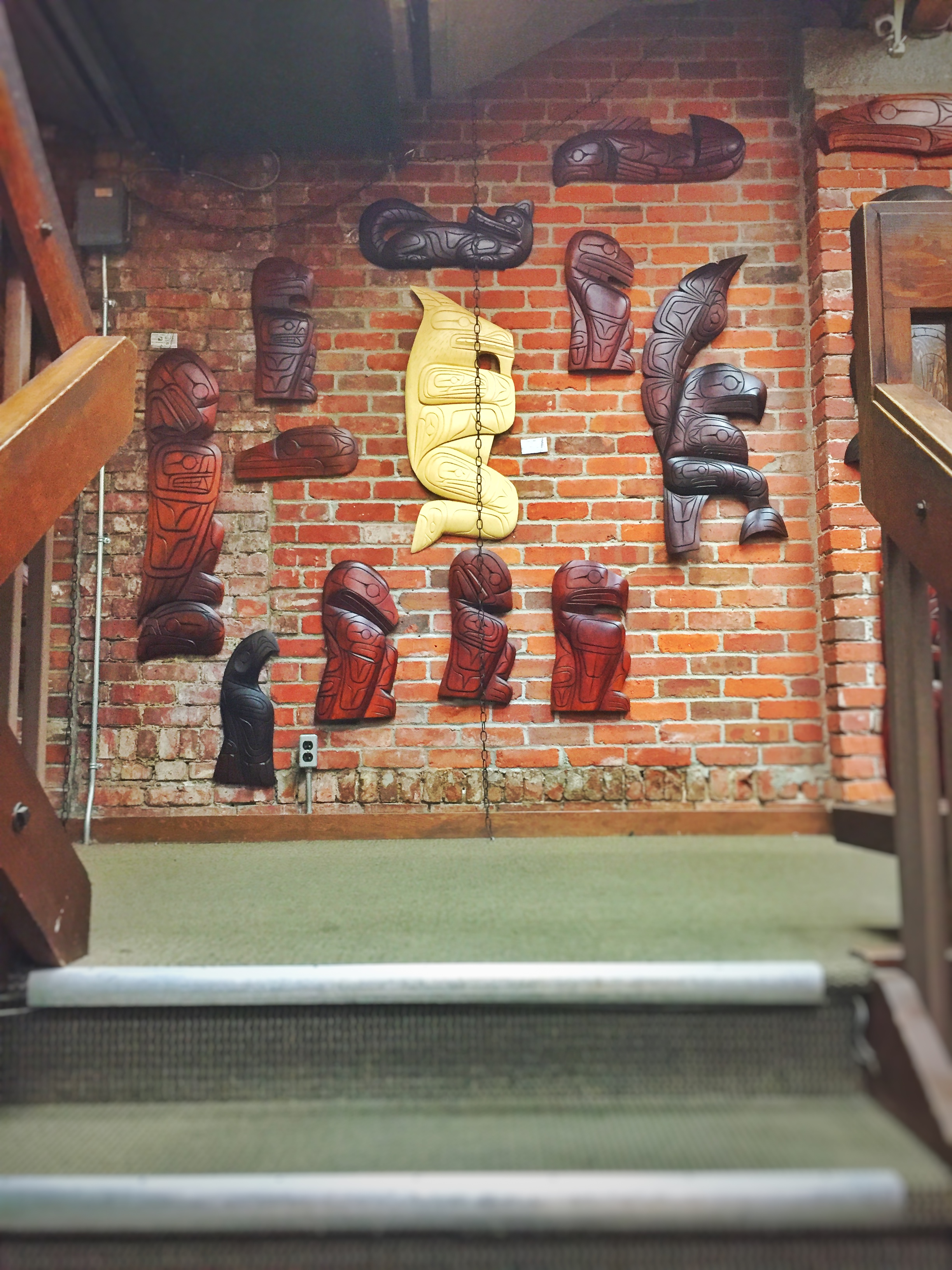
Haida Totem Poles and the Structure of Oral Tradition
How monumental carvings on Haida Gwaii encode clan histories, territorial claims, and ceremonial knowledge passed across generations.

Inuit — Arctic Canada
Inuit Land-Based Knowledge and Arctic Survival Systems
Sea-ice reading, kayak construction, and seasonal migration patterns — the practical knowledge systems that sustained Inuit communities for millennia.
Métis — Prairies & Great Lakes
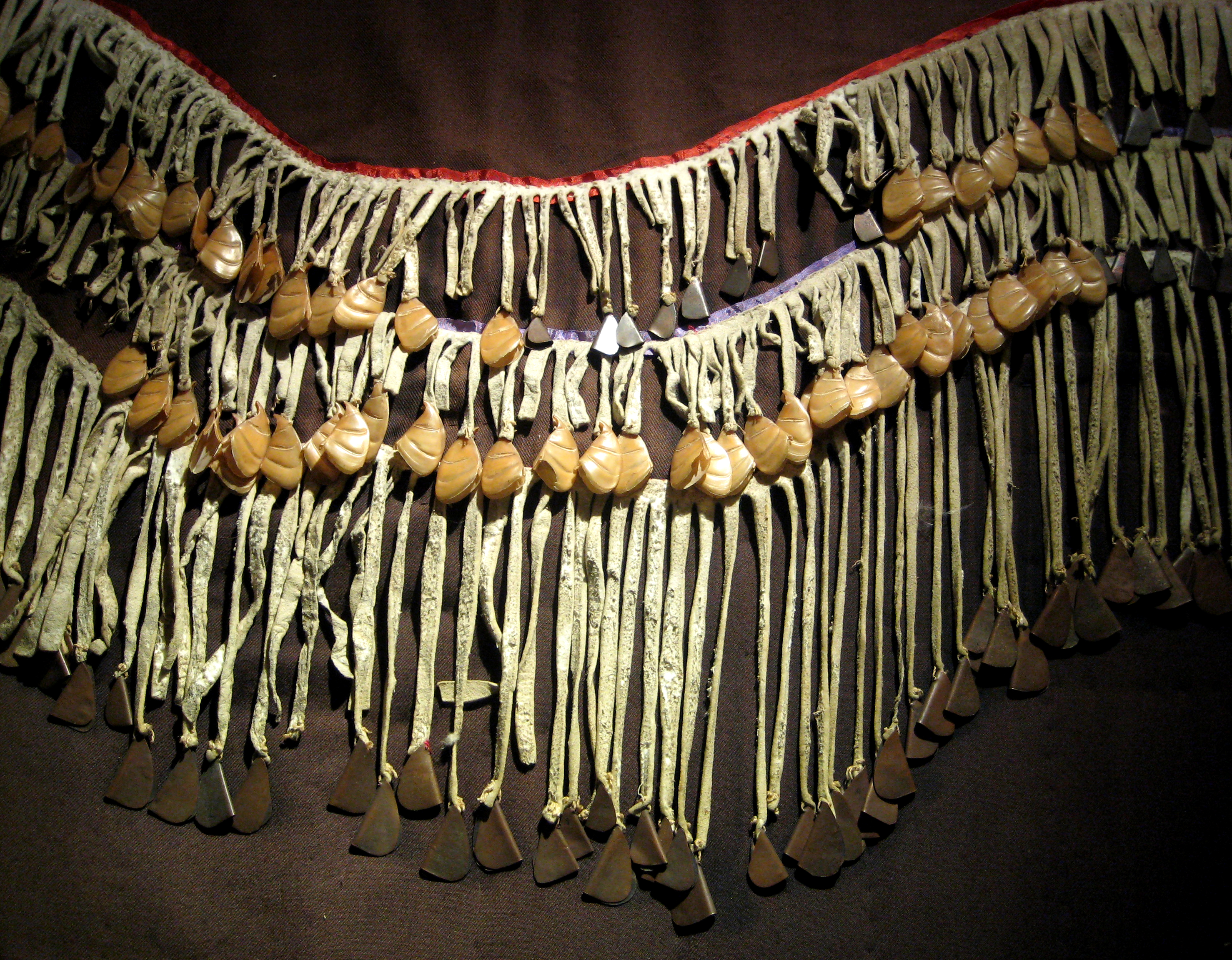
Métis Beadwork and the Formation of Cultural Identity
Floral beadwork patterns, the Red River cart economy, and the distinct cultural forms that emerged from Métis communities across the Great Lakes and Prairie regions.
Three Distinct Peoples, Hundreds of Distinct Nations
Canada recognizes three constitutionally distinct groups of Indigenous peoples: First Nations, Métis, and Inuit. Within each category, individual nations, communities, and language groups maintain separate governance systems, cultural traditions, and territorial connections. This archive documents material across all three, drawing distinctions where they matter.
About This ArchiveKey Areas Covered
This archive focuses on documented cultural practices, historical records, and publicly available scholarship.
Languages
Over 70 distinct Indigenous language families in Canada, ranging from Algonquian and Athabascan to Inuktitut and Haida. Historical documentation of syllabics, oral literature, and revitalization efforts.
Material Culture
Birchbark canoes, button blankets, Inuit qamutik sleds, Métis sashes, and Northwest Coast bentwood boxes — objects that carry technical, social, and ceremonial significance.

Land-Based Knowledge
Seasonal harvesting cycles, fire management, water system stewardship, and ecological knowledge accumulated across thousands of years of continuous inhabitation of specific territories.
Art as Historical Record
Northwest Coast formline art, Plains ledger drawings, and Inuit soapstone carving are not simply decorative traditions. Each carries encoded information about clan relationships, territorial boundaries, historical events, and ceremonial protocols. Understanding the visual grammar of these forms requires attention to the specific cultural contexts in which they developed.
The objects documented here come from institutional collections, public archives, and published anthropological records — sources that allow cross-referencing and verification.

Haida Gwaii and the Northwest Coast
The archipelago off the northern coast of British Columbia has been continuously inhabited by the Haida Nation for at least 12,500 years. The region's cultural record — spanning monumental carvings, ocean-going cedar canoes, and a complex system of clan-based governance — represents one of the most extensively documented Indigenous cultural traditions in North America.
Read the Haida ArticleHistorical Context
Pre-Contact Populations
Estimates of Indigenous population in what is now Canada before European contact range from 500,000 to over 2 million. By 1900, disease, displacement, and colonial policy had reduced that figure by an estimated 80 to 90 per cent.
Treaty Systems
Canada's numbered treaties (1871–1921) and the earlier Upper Canada treaties cover most of Ontario, the Prairie provinces, and parts of British Columbia — though large areas of Quebec, the Maritimes, and BC remain outside any treaty framework.
Contemporary Recognition
Section 35 of the Constitution Act, 1982 recognized and affirmed existing Aboriginal and treaty rights. The Supreme Court of Canada has since interpreted these rights through a series of decisions that continue to shape land, resource, and governance disputes.
An Archive Built on Verifiable Sources
Every entry in this reference draws on published institutional research, Crown records, academic scholarship, and photographic archives. Where interpretations differ between sources, the discrepancy is noted. Content is reviewed and updated as new scholarship becomes available.
How This Archive WorksSend a Question or Source Reference
If you have access to primary source material, institutional records, or documented corrections to content on this archive, you are welcome to submit them through the contact form.
Go to Contact